

Several issues are top of mind for the District of Nipissing Social Services Administration Board (DNSSAB) as local officials take part in a provincial conference next week.
Some include affordable housing, stable and predictable funding and training around childcare and early learning, and transitional housing supports.
Thousands of elected officials and staff from across the province are gathering for the Association of Municipalities of Ontario (AMO) Conference in Ottawa from August 16–19.
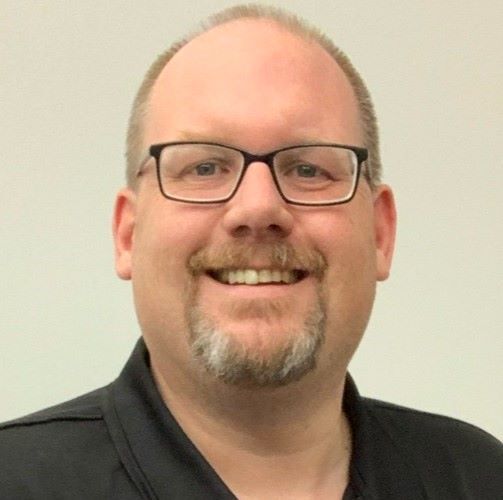
“Across Nipissing, communities are facing increasing pressures related to housing, homelessness, workforce shortages, and access to important services,” says Mark King, DNSSAB Board Chair. “The AMO Conference provides an opportunity to bring these issues directly to provincial decision-makers and advocate for practical solutions that reflect the realities of Northern communities. Continued investment in people, services, and social infrastructure is essential to building healthy, resilient communities both today and in the years ahead.”
DNSSAB will be meeting with provincial ministries to advance key priorities:
– Increasing capital funding for shovel-ready affordable housing projects in Nipissing District.
– Increasing Homelessness Prevention Program funding to sustain district-wide outreach, encampment response, and 24/7 shelter and housing supports.
– Piloting a housing stability benefit for single Ontario Works recipients to help bridge the gap between shelter allowances and local rental costs.
– Providing stable and predictable EarlyON base funding that reflects rising costs, growing community needs, and the added cost of rural service delivery.
– Supporting Shaping Nipissing’s Future, a local pilot focused on recruiting, training, and retaining early learning and childcare professionals to make better use of existing licensed capacity.
– Revising the childcare funding formula to better reflect the cost of employing qualified Registered Early Childhood Educators.
– Modernizing childcare funding rules so available funds can be directed to priority local needs and more families can access affordable licensed childcare.
– Creating transitional housing with 24/7 supports for people leaving incarceration.
DNSSAB says it wasn’t able to secure a meeting with the health minstry but will continue to advocate for priorities related to Community Paramedicine, integrated mental health and substance use supports, and workforce challenges.